
About Us
Who We Are
We are an independent footwear destination created for people who want everyday sneakers to feel considered from the inside out. Our approach brings together clean design, practical comfort, material awareness, and accessible value. We believe a sneaker can look refined, feel effortless, and still reflect better choices in the way it is designed, sourced, and presented.
Our collection is built for real life. We think about the commute, the airport, the walk to coffee, the weekend market, the relaxed office, the long day on your feet, and the simple pleasure of putting on a pair that works with almost everything you own. That is why we favor wearable silhouettes, balanced proportions, versatile colors, and materials selected for both performance and purpose.
We also believe buying shoes online should feel simple. Product information should be easy to understand. Prices should feel fair. Delivery expectations should be clear. Returns should not be hidden behind confusing steps. Customer service should feel human. These ideas shape not only the products we offer, but the experience around them.
Our Point of View
We are interested in progress that can be seen and felt rather than marketing language that sounds impressive but says very little. Better materials matter when they are suitable for the product. Better construction matters when it helps a shoe last. Better service matters when a customer has a question or needs to make a return. Better value matters when thoughtful design becomes easier to access.
Our point of view is simple: make everyday footwear more thoughtful without making it complicated. We want customers to enjoy the design first, appreciate the comfort every day, and understand the choices behind the product without needing to become experts in manufacturing or materials.
We do not believe there is one perfect material or one perfect way to make footwear. Shoes are complex objects made from many components. Our responsibility is to keep improving the balance between performance, durability, design, social value, and resource use.
Design for Everyday Life
Our design philosophy begins with usefulness. A sneaker should be easy to wear often, not reserved for one outfit or one moment. We look for shapes that feel current without depending on short-lived trends, and details that create identity without making the product difficult to style.
Proportion is important. The relationship between the upper, sole, toe shape, collar, tongue, and panel lines affects how a sneaker looks on foot and how naturally it fits into a wardrobe. We favor a clean, balanced visual language that can move between denim, relaxed tailoring, workwear, simple basics, casual dresses, and travel clothing.
We also think visual longevity matters. A product that still feels relevant after repeated wear is more likely to stay in rotation. That makes timelessness more than an aesthetic idea. It becomes part of how we think about product life and value.
Comfort Is Part of Design
Comfort is not an extra feature added after the design is finished. It influences the shape of the shoe from the beginning. We consider how the toe area feels, how the heel is held, how the collar sits around the ankle, how the tongue moves, how the upper flexes, and how the sole supports walking through a full day.
We also pay attention to weight, breathability, lining feel, and the relationship between structure and flexibility. A sneaker can look good in a photograph, but it earns its place in a wardrobe through hours of wear. That is why our standard for design includes the less visible details that customers notice only after they start living in the product.
The best everyday shoe is often the one you stop thinking about because it simply works. That quiet ease is something we value deeply.
Materials With Purpose
Materials are at the center of how a sneaker performs, ages, and feels. Depending on the style, our product direction can include organic cotton, natural rubber sourced from the Amazon region, recycled textiles, recycled synthetic components, and other carefully selected materials. Each material has a job to do, and we choose it with that function in mind.
Organic cotton can provide a breathable, familiar textile feel while supporting a more considered approach to cotton cultivation. Natural rubber can contribute flexibility, grip, and durability to outsole construction while connecting the product to a renewable material source. Recycled materials can reduce demand for some virgin inputs and give existing material streams another useful life.
We do not treat one material as proof that an entire product has no impact. Every material involves tradeoffs. We prefer to communicate those choices honestly and keep improving the mix over time.
Organic Cotton
Cotton is one of the most familiar materials in clothing and footwear, yet the way it is grown and processed can vary widely. Where organic cotton is used, we value its role as a soft, breathable, natural fiber that can perform well in canvas, lining, and textile components while supporting a more considered agricultural approach.
For the customer, the benefit should still be practical. The material needs to feel comfortable, hold its structure, accept color well, and remain suitable for repeated wear. We are not interested in using a material only because it sounds responsible. It must also make sense in the shoe.
When material stories and product performance work together, the result is more meaningful. A better input is most useful when it also helps create a product people genuinely want to keep wearing.
Amazon Region Natural Rubber
Rubber is essential to many sneakers because it helps provide traction, flexibility, and resistance to everyday wear. Our product direction values natural rubber sourced from the Amazon region where appropriate. This connects a functional material with forest-based economies and can help create economic value linked to maintaining living forest landscapes.
We care about this material not only because of its origin, but because of how it performs underfoot. A responsible material choice that fails in use does not serve the customer or the product. The goal is to bring together source, function, durability, and comfort.
Natural rubber also reminds us that materials come from real places and real communities. Thinking about the source can make the product feel less anonymous and encourage more thoughtful decisions throughout the supply chain.
Recycled Materials
Recycled materials can help reduce reliance on some virgin resources by using material that has already entered the economy. Depending on the construction, recycled content may appear in textile panels, mesh, linings, laces, reinforcement components, packaging, or other parts of the product.
The important question is not simply whether a material is recycled, but whether it performs properly in its intended role. A lining needs to feel comfortable. A mesh needs to breathe. A reinforcement needs to provide structure. A packaging material needs to protect the product. Recycled content should support these functions rather than compromise them.
We also recognize that recycling is not impact-free. Processing still uses energy and resources. We see recycled inputs as one useful tool within a broader effort that also includes durability, efficient design, reduced waste, and thoughtful use.
A More Considered Production Approach
Footwear is complicated. A single pair can include fabrics, rubber, foam, thread, adhesives, reinforcement layers, eyelets, laces, lining materials, labels, and multiple stages of assembly. Meaningful improvement therefore comes from many decisions working together rather than one dramatic claim.
We look at the full product and ask practical questions. Is each component necessary? Is the material suitable for its function? Can unnecessary complexity be reduced? Does the construction support durability? Is the product comfortable enough to be worn often? Can packaging be simpler without reducing protection?
This approach may sound less glamorous than a single headline promise, but we believe it is more useful. Better products are usually the result of patient, repeated refinement.
People Behind the Product
Products are made by people, and that should never disappear from the story. We value supply relationships that recognize skilled work, stable collaboration, respectful conditions, and fairer economic participation. Social responsibility is not separate from quality. Experienced workers, stronger relationships, and greater accountability can also support more consistent products.
We are inspired by models that connect sourcing with social projects and broader community value. Where possible, we prefer approaches that allow more benefit to remain connected to the people and places involved in making and supplying materials.
We do not claim that a single purchase solves every challenge in a global supply chain. We do believe that businesses should take responsibility for the systems they participate in and keep improving how value, opportunity, and information move through those systems.
Economic Fairness
Fairness matters at more than one point in the product journey. It matters in how materials are sourced, how production partners are treated, how skilled work is valued, how products are priced, and how customers are charged.
For us, accessible pricing is also part of economic fairness. We want thoughtful products to feel attainable rather than reserved for a small group of customers. That means paying attention to costs, avoiding unnecessary complexity, and focusing spending on things that improve the product or customer experience.
Value should be visible in the materials, comfort, construction, versatility, and service around the product. A fairer price does not mean a disposable product. Our goal is to create a stronger relationship between what the customer pays and what the product delivers over time.
Quality and Durability
Quality is not one feature. It is the result of many details working together. Material weight, stitching, panel alignment, reinforcement, sole bonding, lining, finishing, fit consistency, and component selection all influence how a shoe performs.
We look at quality from the customer's perspective. Does the shoe remain comfortable after repeated wear? Does the upper hold its shape reasonably well? Does the sole continue to feel dependable? Do seams remain secure? Does the product still look satisfying after normal use and care?
Sneakers are made to move, so natural creasing, surface wear, and changes in materials are part of normal life. We do not promise that a shoe will remain visually untouched. We aim for products that handle regular use well and reward reasonable care.
Style Beyond Trends
Fashion moves quickly, but personal style is usually built more slowly. We want our sneakers to remain useful even as seasonal trends change. Balanced silhouettes, wearable colors, tactile materials, and restrained details help a pair feel current without becoming disposable.
A long-lasting aesthetic can still have personality. Small differences in panel placement, texture, contrast, stitching, sole shape, and proportion can make a product distinctive. The goal is to create enough character to feel special while keeping the shoe easy to combine with different wardrobes.
We want customers to feel good about the product after the first unboxing excitement is gone. The real test of design begins after many wears, when a sneaker has become part of daily life.
Better Value
One of our strongest commitments is value. We work to keep pricing more accessible while preserving the material story, comfort, and clean design customers are looking for. We believe thoughtful products should not automatically feel out of reach.
Value is not simply a low price. It is the relationship between cost and use. A sneaker that is comfortable, versatile, durable, and worn frequently can offer stronger value than a cheaper product that is rarely worn or quickly replaced.
Promotional offers may provide additional savings across the store, including deeper discounts on selected products. These offers are designed to make discovery more enjoyable while supporting our broader goal of fair, competitive pricing.
We want customers to feel that the product is worth what they pay even before any promotion is applied.
A Clear Shopping Experience
Trust is especially important when buying footwear online. Customers cannot touch the materials or try on the fit through a screen, so product descriptions, imagery, size guidance, pricing, delivery information, and return policies need to work harder.
We aim to keep those details clear and consistent. Prices are shown in USD. Orders are normally prepared for shipment within one to three days. Estimated delivery is six to twelve days. All products are shipped worldwide without a shipping charge. Applicable duties and related import costs are covered by us so customers are not expected to pay additional customs-related charges at delivery.
If a product is not right, customers have sixty days to request a return under our Refund Policy. Approved refunds are generally processed within five to ten days. For support, the Contact Us page is the central place to reach us.
Thoughtful Packaging
Packaging has one primary job: protect the product until it reaches the customer. We prefer packaging that is efficient, practical, and proportionate to what is being shipped. Where possible, we favor paper-based, recycled, or recyclable materials and avoid unnecessary layers that add volume without improving protection.
Reducing empty space can help reduce material use and make storage and transport more efficient. These details may feel small, but they become meaningful when repeated across many orders.
We also believe simple packaging can still feel premium. Clean presentation, secure protection, and clear information can create a satisfying opening experience without turning the package into unnecessary waste.
Packaging is another area where improvement is continuous, and we expect to keep reviewing materials, structure, and efficiency as better options become available.
Care and Longevity
The life of a sneaker continues long after checkout. How a pair is worn, cleaned, dried, and stored can make a meaningful difference to how long it lasts. We encourage customers to treat footwear as something worth maintaining.
For many sneakers, gentle cleaning is better than aggressive washing. Surface dirt can often be removed with a soft brush or damp cloth. Suede, leather, canvas, mesh, rubber, and other materials respond differently to moisture and cleaning products, so care should match the specific construction.
Allowing shoes to dry naturally, loosening laces before putting them on, rotating pairs when possible, and storing them in a dry place can help preserve shape and comfort.
Responsible consumption includes using products fully. Our role is to make footwear customers want to keep wearing and to provide information that helps them do that.
Transparency Without Complexity
Customers should not need to decode vague language to understand what they are buying. We aim to make product descriptions clear, specific, and useful. When a style contains organic cotton, natural rubber, recycled inputs, or other notable materials, those details should be easy to find.
We also avoid presenting an individual material as proof that an entire product has no impact. Manufacturing uses resources, energy, labor, and transport. A more honest approach is to recognize those realities while continuing to improve.
Transparency applies to policies as well. Shipping expectations, returns, refunds, currency, duties, and contact options should be communicated in plain language. Clear policies reduce uncertainty and help customers make informed decisions.
Good communication should make shopping easier, not more complicated.
Why Sneakers Matter to Us
Sneakers sit at the intersection of movement, design, identity, and everyday utility. They can be casual or refined, sporty or minimal, expressive or quiet. Few products are worn across so many parts of daily life.
Because sneakers are used frequently, small improvements can matter. Better comfort can change how a long day feels. Better materials can reduce reliance on some virgin inputs. Better design can make one pair useful across more outfits. Better durability can extend useful life. Better value can make thoughtful choices accessible to more people.
We focus on footwear because it gives us the chance to bring these ideas together in something customers use every day. Our ambition is to make sneakers that feel good now and continue to make sense over time.
Our Relationship With Customers
We want customers to feel respected before, during, and after a purchase. That means avoiding confusing terms, hidden expectations, and unnecessary pressure. Shopping should feel informed rather than stressful.
Footwear is personal. Fit can vary by foot shape, styling preferences differ, and a product that looks perfect online may not feel right in person. Our sixty-day return period gives customers time to evaluate a purchase more comfortably.
Our customer service team can be reached through the Contact Us page. Whether the question is about sizing, materials, an order update, a return, or general product information, the goal is to provide a useful answer and a clear next step.
Long-term trust matters more than a single transaction. We want to build an experience that customers are comfortable returning to.
What Responsible Choice Means to Us
A responsible choice is rarely perfect. It is usually a better decision within a complex system. For footwear, that can mean using more recycled inputs, choosing organic cotton where appropriate, incorporating natural rubber, improving durability, reducing unnecessary packaging, or designing a product versatile enough to be worn frequently.
It can also mean being honest about limitations. Recycled materials still require processing. Natural materials still require land, energy, transport, and labor. Shipping has an environmental footprint. Manufacturing creates impacts that cannot be erased by a single claim.
We believe responsibility begins with acknowledging that complexity. From there, better decisions become possible. We can keep asking where materials come from, how they perform, how products age, how packaging can improve, and how information can become clearer.
Our Commitment to Progress
Responsible design is a direction, not a finished state. Materials improve. Manufacturing methods evolve. Better recycled inputs become available. Packaging systems change. New information can reveal more effective ways to work.
We intend to keep adapting. This may mean adjusting material mixes, improving durability, simplifying packaging, refining fit, strengthening supplier relationships, or making product information more detailed. Progress can happen in the sole, the lining, the box, the delivery process, or the way we support customers after purchase.
We prefer practical improvements over exaggerated claims. If a change makes the product better, more durable, more useful, more transparent, or more thoughtful, it is worth pursuing.
Customer feedback is part of that process. Fit comments, comfort experiences, wear patterns, service questions, and return reasons can all help show where improvement is needed.
Looking Forward
Our vision is to keep building a footwear collection that combines everyday design, comfort, material awareness, social value, accessible pricing, and a more human shopping experience. We want each new product to improve on what came before, whether through fit, construction, material choices, packaging, or clearer information.
We are optimistic about what thoughtful design can achieve when it stays connected to real use. The future of footwear does not need to be defined only by novelty. It can also be defined by better basics, better sourcing, better communication, and products that earn their place in daily life.
Thank you for taking the time to learn more about what we are building. Every order supports our effort to make everyday footwear more considered, more accessible, and more enjoyable to wear.
We hope the pair you choose becomes one you reach for often.
BEST SELLERS
-70%


CAMPO BOLD SUEDE GOLF PIERRE
Regular price
$42.00
Sale price
$140.00
-70%


CAMPO BOLD SUEDE KIWI PIERRE
Regular price
$42.00
Sale price
$140.00
-70%


CAMPO BOLD SUEDE MULBERRY PIERRE
Regular price
$42.00
Sale price
$140.00
-70%


CAMPO BOLD SUEDE NAUTICO STEEL EAGLE
Regular price
$42.00
Sale price
$140.00
-70%


CAMPO BOLD SUEDE PINK PIERRE NATURAL
Regular price
$42.00
Sale price
$140.00
-70%

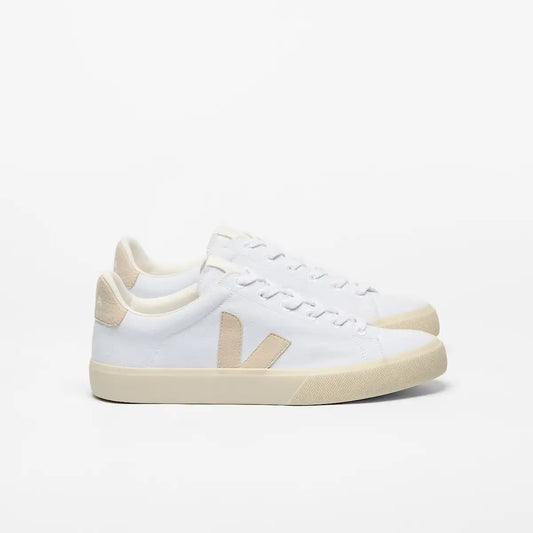
CAMPO CANVAS WHITE BLACK
Regular price
$37.50
Sale price
$125.00
-70%


CAMPO BOLD SUEDE CAMEL PIERRE
Regular price
$42.00
Sale price
$140.00
-70%


CAMPO BOLD SUEDE INDIGO PIERRE
Regular price
$42.00
Sale price
$140.00
